
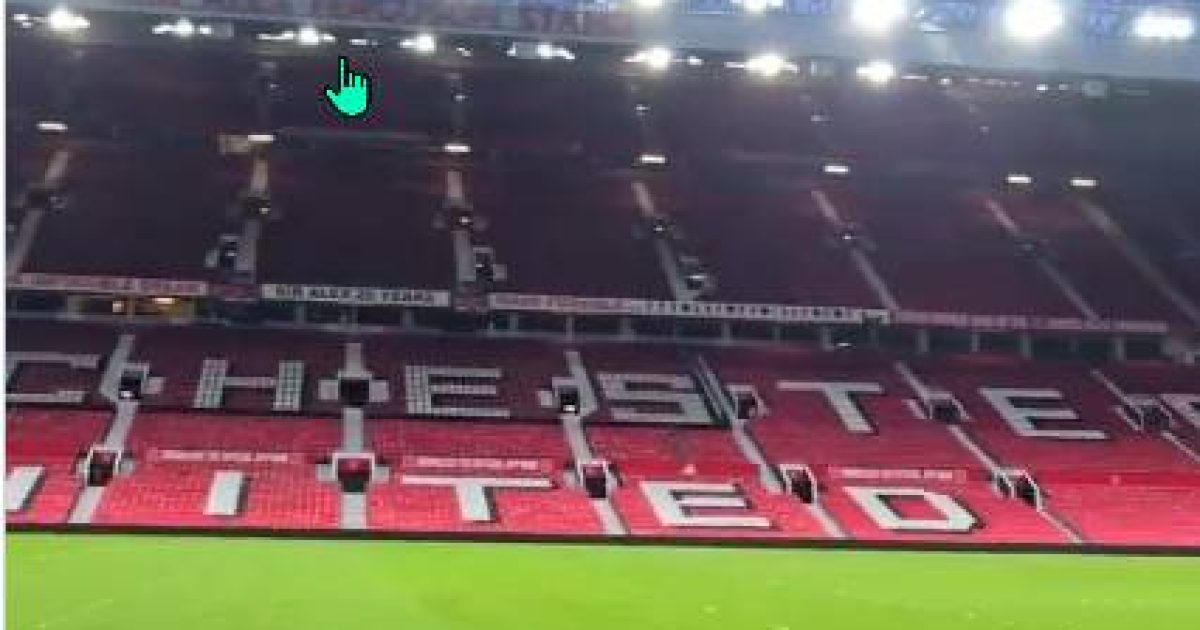

On February 25, 2026, a striking and controversial moment unfolded at Old Trafford, the legendary home stadium of Manchester United in England.
For the first time in over a century, the Adhan, or Islamic call to prayer, was broadcast through the stadium’s speakers.
This occurred during a special Ramadan Iftar event, the meal that breaks the daily fast during the Muslim holy month. The gathering was organized by the Manchester United Muslim Supporters Club (MUMSC), an officially recognized fan group, in partnership with the club itself.
Old Trafford, known as the “Theatre of Dreams” thanks to Manchester United legend Sir Bobby Charlton, is England’s largest club soccer stadium. It can hold over 74,000 fans and has been the team’s home since 1910. For many in Britain, it stands for soccer tradition, working-class pride, community, and national identity, much like Yankee Stadium in baseball or Lambeau Field in American football.
Manchester United is often seen as England’s most influential and globally recognized soccer club. With hundreds of millions of fans worldwide, many trophies, and a history linked to stars like George Best, Bobby Charlton, and Sir Alex Ferguson, the club has a cultural impact that goes beyond sports.
About 80 Muslim fans and guests were invited to the pitchside for the Iftar. English Qur’an reciter Ibrahim Idris gave the Adhan at sunset, marking the end of the fast. The call echoed through the empty stands under the lights, followed by Qur’an recitation and group prayers. Videos of the moment soon spread on social media and in the news, showing the sound filling the stadium.
For critics alarmed by cultural and demographic changes in the UK, this event represented a profound escalation in the process of Islamisation. A stadium long associated with secular British traditions—rooted in a historically Christian-influenced society—now amplified an Islamic religious proclamation at its very core.
Prominent among the voices raising the alarm was the X account @HeartsofOakUK. In a viral post accompanied by footage of the Adhan, they wrote: “The Adhan echoing through Old Trafford last night – the first ever in the Theatre of Dreams. This is a football stadium, not a mosque. Next, it’ll be full Friday prayers on the pitch? We are being colonised by Islam.”

The commentary struck a chord with those worried about future implications: potential demands for prayer breaks during matches, dedicated religious observances on the pitch, schedule adjustments around Islamic holidays, or further conversions of public spaces.
These concerns are linked to wider demographic trends in the UK. Muslims make up about 6.5% of the population, according to recent census data, with even higher numbers in big cities like Manchester. This urban presence makes Islamic practices more visible in daily life and cultural spaces.
The MUMSC prepared for this moment with earlier actions, like setting up multi-faith prayer rooms at Old Trafford and at the club’s training ground in Carrington. This was the second annual Iftar for fans, but broadcasting the Adhan made it a historic, and for some, unsettling milestone.
By using the club’s sound system, the call turned a private gathering into a public statement. Critics say this crosses an important line, as a place once just for sports has now become a stage for Islamic religious expression.
As of February 26, 2026, the day after the event, reactions show deep divisions. @HeartsofOakUK’s warning reflects a growing feeling among some patriots and cultural conservatives that this was more than just an act of inclusion. They see it as a turning point, showing one of Britain’s most important institutions giving way to outside religious influence.
Now that this has happened, it sets a clear precedent. The Adhan at Old Trafford could lead to more changes at historic sites, matchday traditions, and the usual character of British football. For people worried about national identity, this bold moment in the Theatre of Dreams has made their concerns even stronger.
The post Islamic Call Invades England’s Biggest Soccer Stadium appeared first on The Gateway Pundit.